

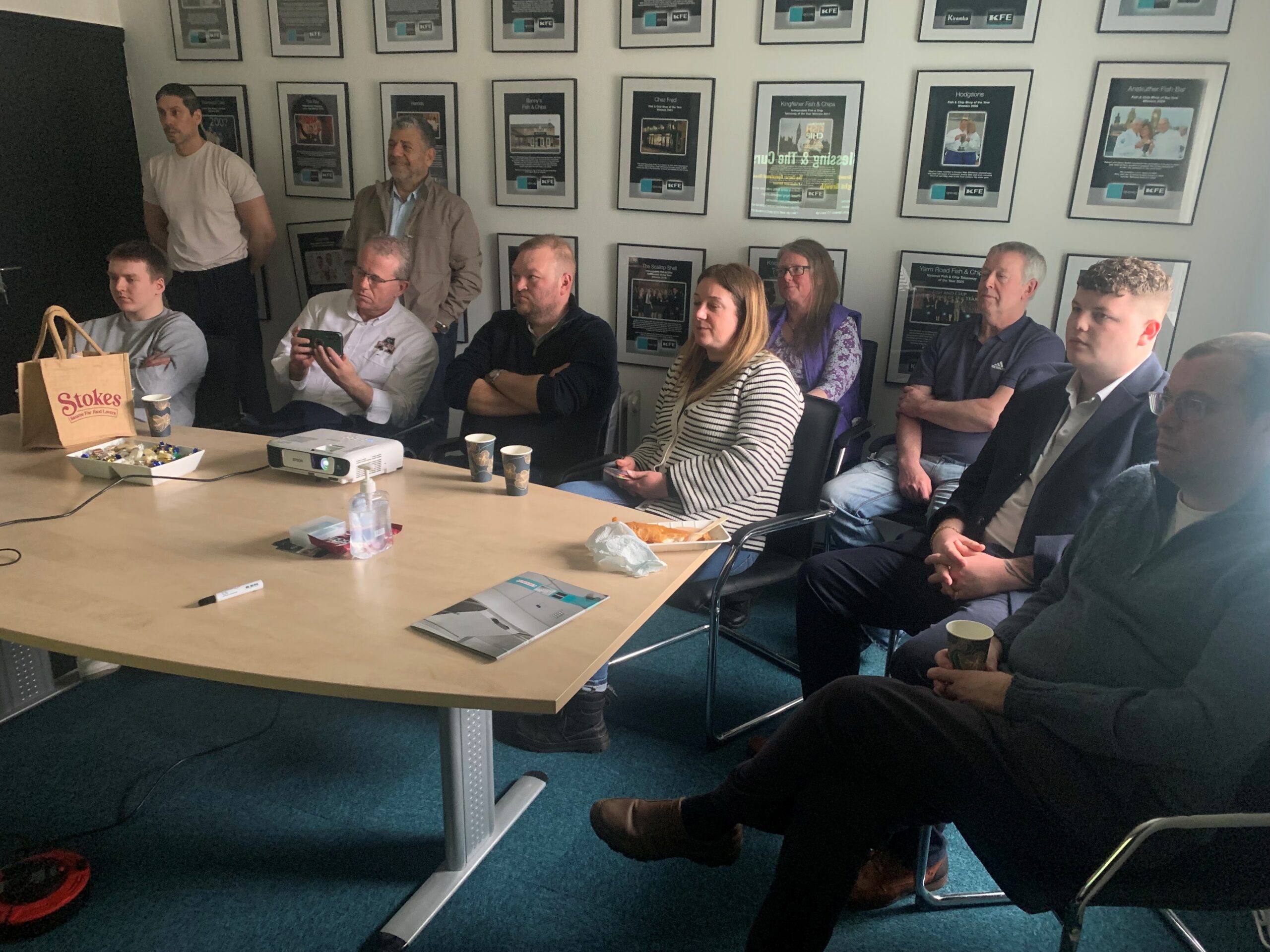
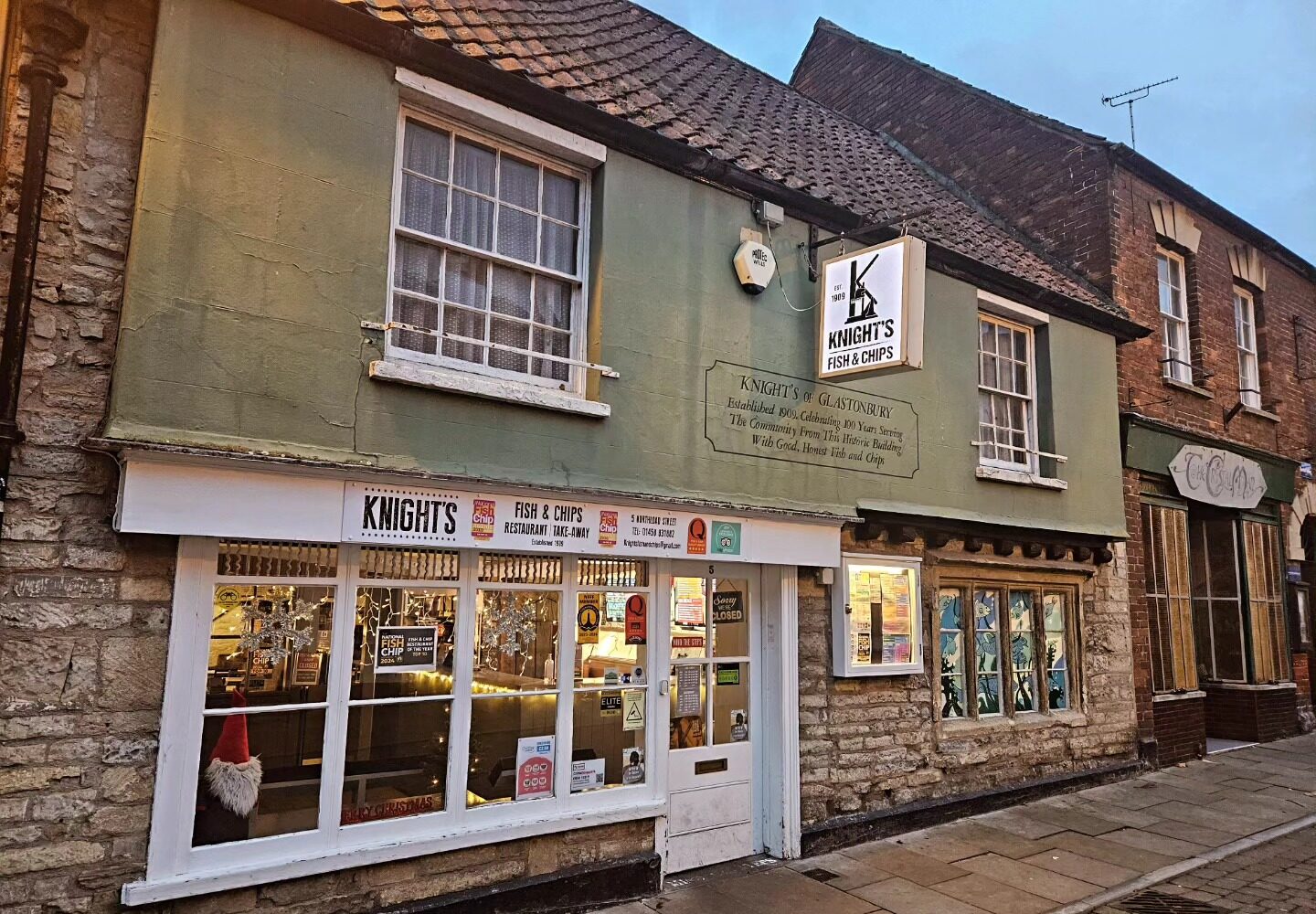
For those who missed our March Open Day, George Morey offered an insight into how AI and automation are reshaping operations at Knights Fish Restaurant, a family-run shop dating back to 1895.
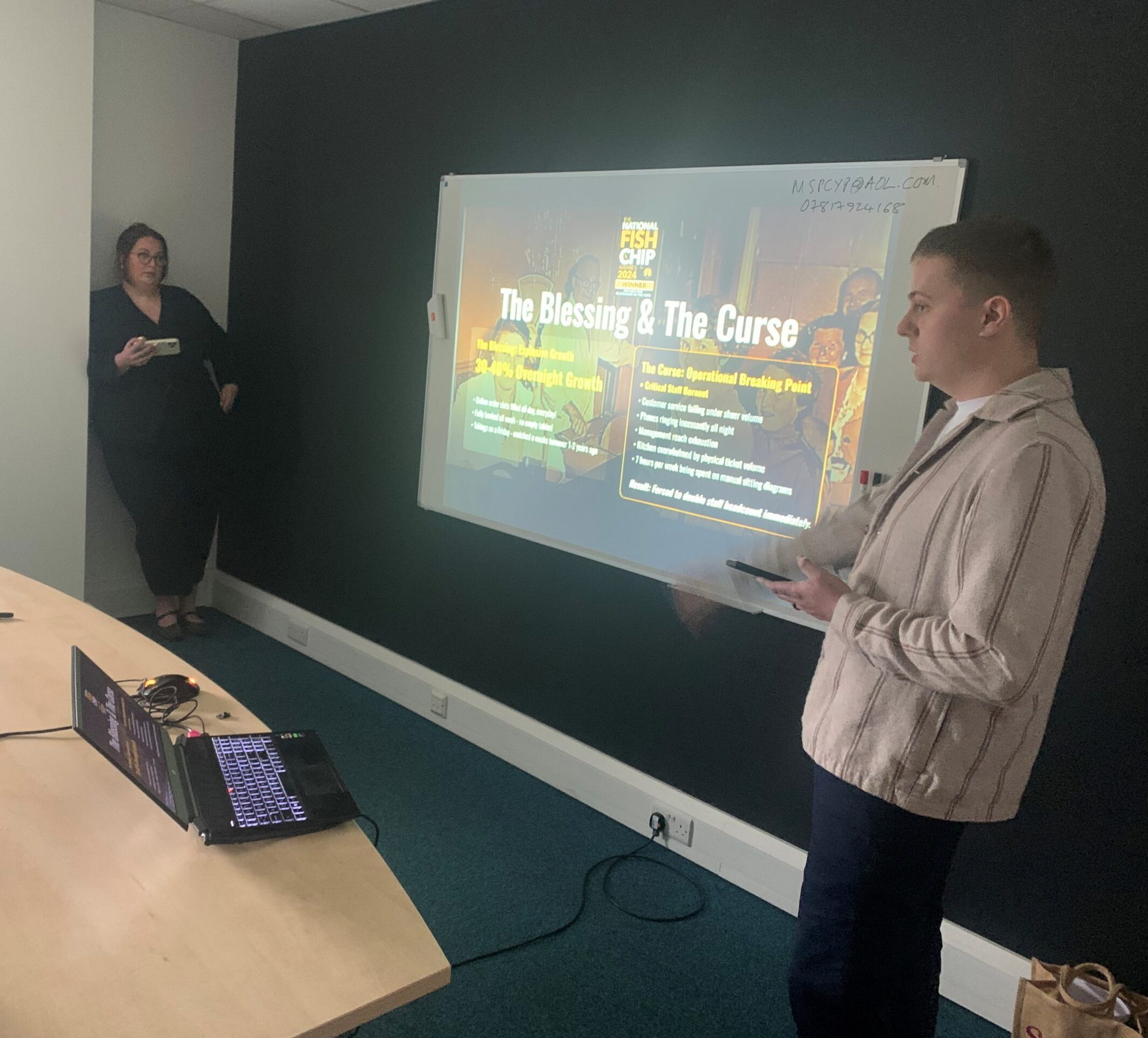
It all started when Knights won Fish & Chip Restaurant of the Year in 2024, bringing a 30-40% overnight growth in trade and pushing the business to its limits. George explained: “Our online slots were filled all day, every day, every table was booked all week, and Friday takings suddenly matched what had once been a full week’s turnover. Phones were ringing all night, customer service was slipping, we were spending around seven hours a week on manual seating plans, and we’d increased staffing by 100%.”
“It was at that point, that we looked to AI and automation to ease the burden.”
Interpret sales reports
A key starting point was data analysis, using Google Workspace and Gemini to interpret sales reports. “We’re using it to break down our weekly sales and see what’s performing well and what’s not,” he said. “If something’s a slow mover, we know that’s not where we need to focus our attention.”
The system also provides clarity on trading patterns. “It gives us breakdowns of peak hours and tells us, for example, that Tuesdays at a certain time are usually the busiest. That helps us staff better and plan ahead.”
For George, the real value lies in removing the need for manual analysis. “It makes a difference having that background voice telling you what’s going on, without you having to sit and trawl through every report yourself.” The process itself is simple: “We download the PDF or Excel report from the till system and upload it into Google Workspace. That’s it.”
He also highlighted how it removes some of the fear factor, adding: “You look at an Excel report from your tills and it’s just a wall of numbers, it can be overwhelming. I don’t even need to look at the numbers now. I just give upload a spreadsheet and ask it for insights.”
Those insights have led directly to operational changes, particularly around menu decisions, one example being seafood baskets. “They were a good seller, but the margin was really tight, and we weren’t making much from them,” he said. “AI helped us realise we could make 75% of that dish using products we already had in-house, without buying in an extra item.”
Another example was a prawn cocktail starter, which was removed because of time it involved. “It was one of the longest dishes to prepare,” he explained. “You had to thaw the prawns, mix the sauce, assemble it, present it properly. It was a real time drain.”
By feeding preparation time and sales data into the system, the conclusion became obvious. “If we sold eight in a day and each one took 10–15 minutes from start to finish, that’s a lot of kitchen time. So I asked: what else could we be serving in that time? How many other starters could we get out instead?”
“It’s not just about margin,” he added. “It’s about productivity and what’s slowing you down.”
Beyond analysis, George has implemented systems to improve day-to-day control. One of those is Trail, a food management system that guides the team through the daily tasks. “I call it a shadow manager,” he said. “It replaces clipboards and paperwork with a digital system where everything is recorded from food temperature checks to fridge checks.
“We’ve even used it for things like bin collection records. By logging it as a task, we realised collections weren’t happening as often as they should.”
It also strengthens accountability with all staff having access to the app on their phones or the company tablets, and during quieter periods, it helps maintain productivity. “If it’s slow, I can add tasks on the fly. We even used it to plan a full deep clean, with every job listed and recorded.”
Booking platform
On the customer side, booking platform Tablao has delivered immediate results. “It reduced our phone and in-person bookings by 89% almost overnight, while no-shows dropped by around 80% thanks to automated confirmations and reminders that are sent by e-mail or WhatsApp.”
It has also strengthened marketing and all for very little extra cost. “After a visit, it sends an email asking for feedback, and we’re now at over 1,000 five-star reviews,” he said. “We’ve also built up a database of more than 6,000 customers we can contact with newsletters or promotions. It costs us £981 a year, so about £3 a day,” he said. “We worked out we were spending around seven hours a week manually planning tables. That’s over 2,500 hours saved for £3 a day.”
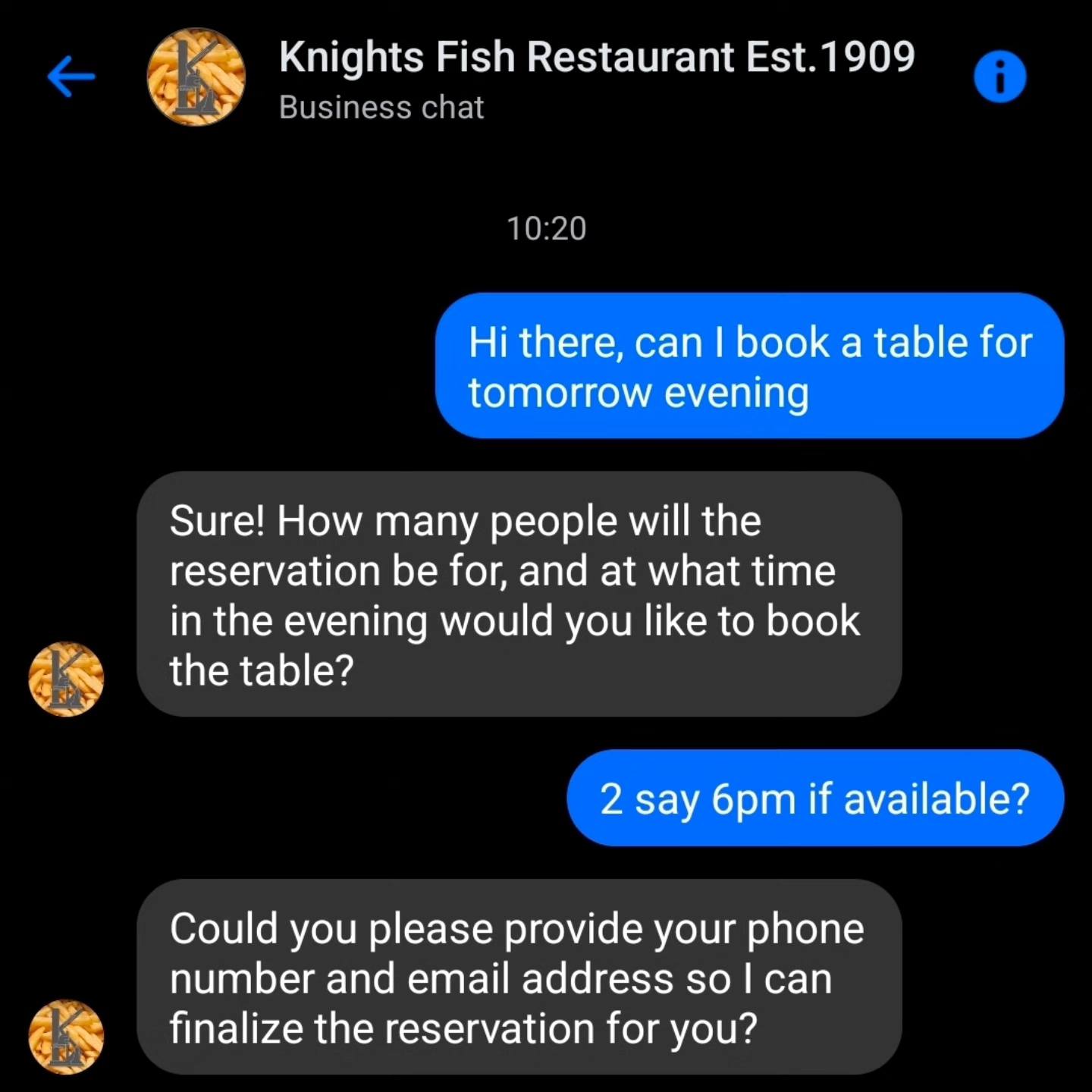
AI is also supporting communication, from chatbots handling enquiries to e-mail drafting via Gemini. “Using an AI chatbot is saving time on customer queries and helping us respond faster,” he said. “It’s not just taking bookings, it’s answering questions. If someone asks, do you do gluten free? the bot will respond, Yes, we do every day. It’s fully certified safe for ceoliacs. And also it will then say, Would you like to book a table? things that no well trained staff member would ever dream of doing.”
Complaint handling
For e-mail responses, particularly complaints, AI offers another advantage. “It takes the emotion out of it. You can write what you want to say, and it will rephrase it in a way that’s appropriate for your business.”
However, George was clear that AI needs to be used properly, referring to a slide he titled “Stop the slop tsunami”. “You can always tell when people are using AI without giving it proper context,” he warned. “It actually damages their brand.”
He pointed to generic content as a growing issue. “Everyone’s seen those cartoon-style images or generic posts, it’s just noise. It doesn’t add anything and makes you look the same as everyone else.”
“You can’t just ask AI to write a post about fish and chips,” he added. “It comes back with things like ‘culinary delights’ and ‘gastronomic experiences’ and that’s not what our industry is about.”
Without clear direction, he said, the risks are real. “If you don’t give it context, it becomes a very damaging tool.”
Ultimately, his approach is straightforward. “We use AI to handle the volume and the admin, and to cut costs,” he concluded. “That allows us to focus on what we do best, serving great food and properly looking after our customers. It takes that extra load off and makes life simpler, not harder.”
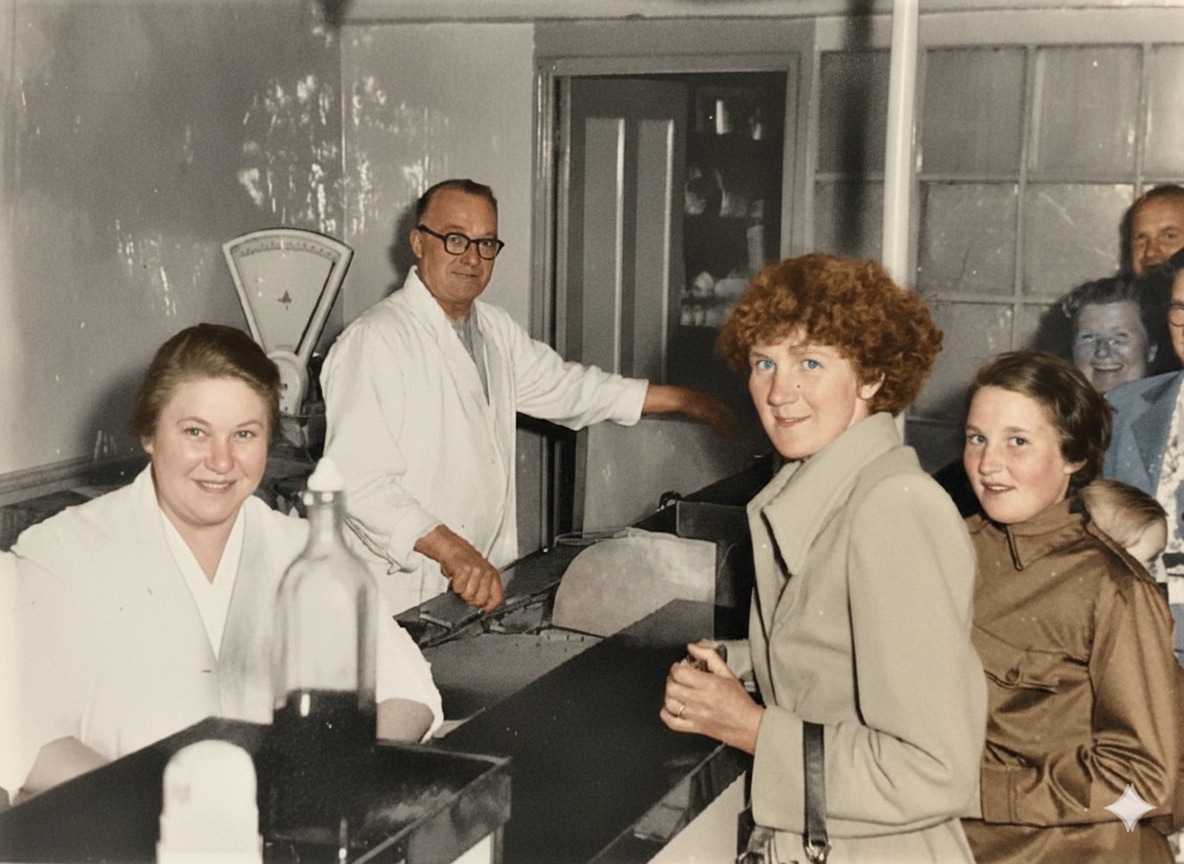
Finally, to demonstrate AI’s capability, George asked the audience to consider how many portions of fish and chips Knights has served since opening in 1895, when the business was running on a coal-fired range.
“Everyone laughed,” he said, “and I explained that AI can use historical data modelling. All you need to provide is a solid set of yearly sales data over a number of years. From there, it can factor in what we’re capable of producing today on a high efficiency range, look at census data and population levels – which were around 40% lower back then – and take into account how dominant fish and chips were in the market, as well as the slower output of a coal range.”
The result, he explained, was a surprisingly precise estimate. “We worked out that we’ve served approximately 7,612,000 portions of fish and chips. It’s not 100% accurate, of course, but it is a very, very close estimation.”